A Closer Look at Overmolding Techniques in Custom Plastic Production
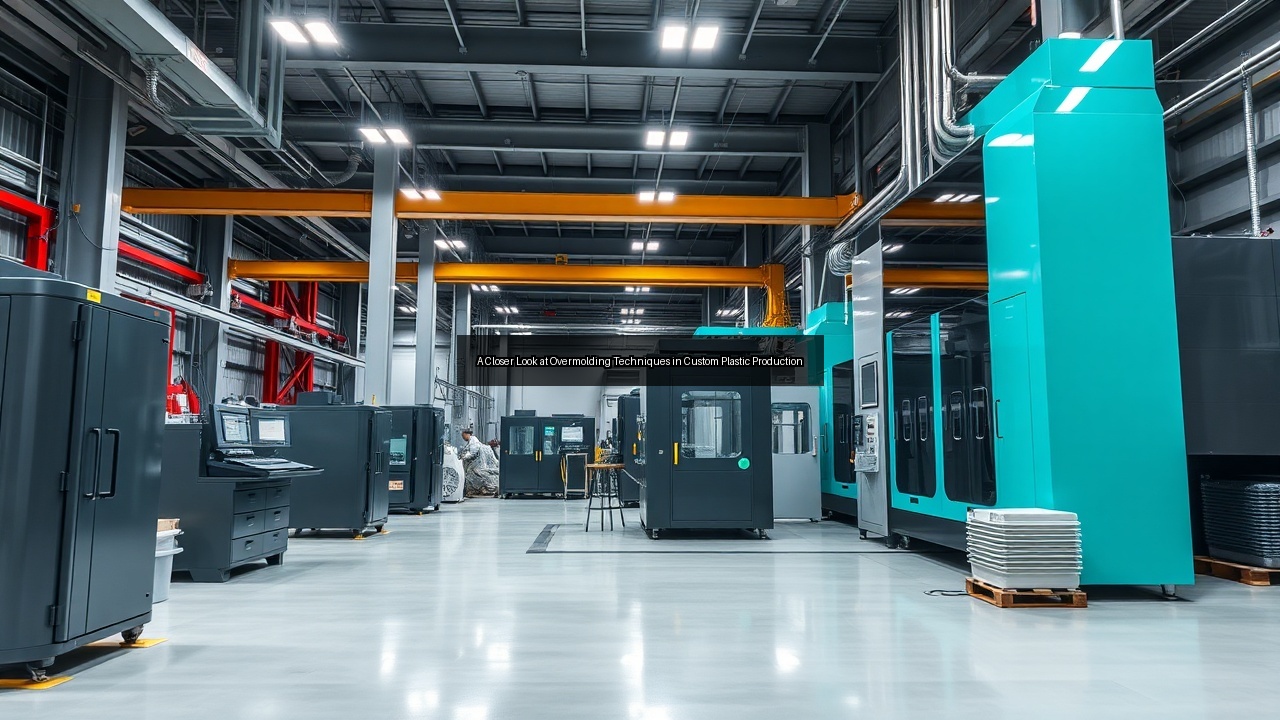
Understanding Overmolding Techniques
What is Overmolding?
Overmolding bonds a second material layer directly onto a base substrate during custom plastic molding. This process creates parts with enhanced grip, sealing, or aesthetic appeal without secondary assembly steps. Engineers select compatible materials so the overmolded layer adheres firmly under heat and pressure. Threaded inserts often sit inside the base piece before the second shot flows around them. The result delivers functional components that withstand repeated use in consumer electronics, medical devices, and automotive interiors. Custom plastic molding shops rely on precise temperature control to prevent delamination while maintaining tight tolerances across production runs.
Types of Overmolding Techniques
Manufacturers distinguish several overmolding approaches based on material compatibility and part geometry. Insert molding places preformed metal or plastic pieces into the cavity before injection. Two-shot molding sequences two distinct resins in a single cycle using rotary or transfer tooling. Multi-material overmolding expands this concept to three or more layers for complex seals or soft-touch surfaces. Each technique demands specific mold design considerations to manage shrinkage and bonding strength. Custom plastic molding teams evaluate part function first, then choose the method that balances performance with tooling investment.
Benefits of Overmolding in Custom Plastic Production
Overmolding reduces assembly time and improves part durability in custom plastic molding projects. It eliminates separate gaskets or handles by forming them in place. Designers gain freedom to combine rigid structural elements with flexible elastomers on the same component. The process also supports branding through integrated color and texture changes. Production volumes scale efficiently once tooling stabilizes, lowering per-piece cost compared with manual bonding methods. Quality improves because the bond forms under controlled injection conditions rather than relying on adhesives that degrade over time.
The Role of Injection Molding in Overmolding
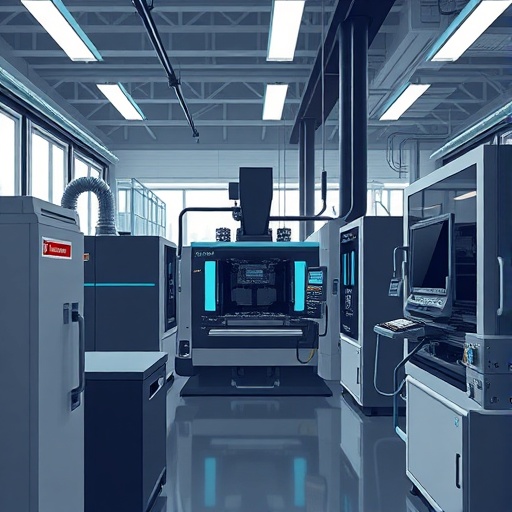
Overview of Injection Molding Process
Injection molding melts thermoplastic pellets and forces the viscous material into a cooled mold under high pressure. The cycle repeats rapidly once the part solidifies, enabling high-volume custom plastic molding. Overmolding extends this process by adding a second injection station or rotating the mold to accept the next material. Proper sequencing prevents the first shot from remelting while ensuring the second material flows completely around the substrate. Cycle times stay short because both shots occur within the same machine, streamlining custom plastic molding schedules.
Injection Mold Design and Tooling
Effective injection mold design accounts for material flow, cooling channels, and ejection systems required for overmolding. Toolmakers machine cavities from hardened steel to withstand repeated high-pressure cycles. Gate locations must direct the second material to bond without disturbing the first shot. Custom plastic molding projects often include interchangeable inserts that allow quick design changes during development. Proper venting prevents trapped air that could weaken the interface between layers. Tool maintenance schedules keep production consistent across long runs of custom plastic parts.
Material Selection for Injection Moldings
Material selection drives success in injection moldings that incorporate overmolding. Engineers match base resins such as ABS or polycarbonate with overmold materials like TPE or liquid silicone rubber for chemical compatibility. Thermal expansion rates must align to avoid stress cracks after cooling. Custom plastic molding suppliers test bond strength on sample plaques before committing to full production tooling. Additives improve UV resistance or flame retardancy when end-use conditions demand them. Accurate material data sheets guide these decisions and reduce trial runs during the development phase.
Integrating 3D Printing with Overmolding
Rapid Prototyping with 3D Printing
3D printing accelerates prototype validation for custom plastic molding programs. Engineers print functional models in hours rather than waiting weeks for machined prototypes. These prints reveal fit, form, and basic overmolding behavior before committing to steel tooling. Designers iterate grip textures or seal geometries quickly, shortening the path to production. Custom plastic molding clients receive tangible parts for internal reviews and market testing without large upfront costs. The speed supports aggressive project timelines while still informing final injection mold specifications.
Creating Custom Molds with 3D Technologies
3D printing enables rapid tooling for low-volume custom plastic molding and bridge production. Printed molds handle limited shots of thermoplastic materials before wear occurs, giving teams time to refine designs. Hybrid approaches combine printed cores with traditional steel cavities for better durability. Custom plastic molding operations use these tools to produce market samples or validate overmolding parameters early. The approach reduces risk when novel part geometries enter development. Engineers adjust cooling and gating based on real molding trials instead of simulations alone.
Advantages of Combining 3D Printing and Overmolding
Pairing 3D printing with overmolding expands design possibilities in custom plastic molding. Complex internal channels or lattice structures become feasible in the base part before the second material encapsulates them. Printed inserts with integrated features reduce the need for separate threaded inserts or hardware. Custom plastic molding teams achieve faster design cycles and lower initial tooling expense. The combination also supports on-demand manufacturing for replacement parts or specialized equipment. Overall project risk drops because physical testing happens earlier in the process.
Quality Control and Logistics in Custom Plastic Production

Ensuring Accuracy in Molding Processes
Accuracy in molding processes depends on consistent machine parameters and regular tool inspection. Custom plastic molding facilities monitor cavity pressure, melt temperature, and cooling time to maintain dimensional stability. Overmolding adds another layer of control because bond integrity must meet specifications. Automated vision systems detect flash, short shots, or delamination before parts reach packaging. Statistical process control tracks variation across shifts, allowing quick corrections. These measures ensure every batch of custom plastic parts meets customer drawings without costly rework.
Importance of Quality Control in Injection Moldings
Quality control in injection moldings protects both function and appearance in finished assemblies. Custom plastic molding suppliers perform first-article inspections, in-process checks, and final audits. Material certifications confirm resin lots match approved grades for overmolding compatibility. Destructive testing on sample parts verifies bond strength under tension and shear. Documentation supports traceability requirements common in regulated industries. Strong quality systems reduce returns and strengthen long-term partnerships with buyers of custom plastic components.
Logistics Considerations for Custom Plastic Parts
Logistics considerations for custom plastic parts include packaging, inventory management, and shipping schedules. Overmolded components often require protective inserts to prevent surface damage during transit. Custom plastic molding vendors coordinate just-in-time deliveries to match customer assembly lines. International shipments demand proper documentation for thermoplastic or liquid silicone rubber materials. Efficient warehousing keeps finished goods organized by part number and revision level. Reliable logistics prevent production delays and maintain customer confidence throughout ongoing projects.
Cost Factors in Custom Plastic Molding

Pricing Strategies for Custom Molding Services
Pricing strategies for custom molding services reflect material volume, tooling complexity, and production quantity. Custom plastic molding providers quote based on part weight, cycle time, and secondary operations such as overmolding. Volume discounts apply once orders exceed break-even thresholds for the injection mold. Transparent pricing models list setup fees separately from per-piece costs, helping buyers forecast total spend. Competitive quotes balance quality expectations with budget constraints across different industries. Clear communication on minimum order quantities prevents misunderstandings during project launch.
Evaluating Material Costs: Thermoplastic vs. Liquid Silicone Rubber
Material costs vary significantly between standard thermoplastic resins and liquid silicone rubber used in overmolding. Thermoplastic materials offer lower per-pound pricing and faster cycle times in high-volume custom plastic molding. Liquid silicone rubber commands higher material expense yet provides superior temperature resistance and flexibility. Engineers compare total part cost rather than raw resin price alone. Custom plastic molding teams factor in scrap rates and regrind potential when selecting the optimal material. Long-term performance requirements often justify the premium for liquid silicone rubber in demanding applications.
Understanding Tooling Expenses and Production Volume
Tooling expenses represent the largest upfront investment in custom plastic molding. Multi-cavity injection molds increase capacity but raise initial cost. Overmolding tooling requires additional slides or rotating mechanisms that extend lead times. Production volume determines amortization speed: higher quantities spread tooling cost across more parts, lowering the effective price per unit. Custom plastic molding buyers evaluate bridge tooling options when forecasts remain uncertain. Accurate volume projections guide decisions on single-cavity versus family molds and help control overall project economics.
See Also
- The Importance of Precision in Custom Plastic Injection Molding
- Navigating Logistics Challenges in Custom Plastic Molding Solutions
- Maximizing Quality Control in Custom Plastic Molding Processes
- Unlocking the Future of Custom Plastic Molding for Innovative Product Design
- The Art of Custom Plastic Molding and Its Impact on Manufacturing Efficiency