The Benefits of Custom Pipe Fabrication Solutions
Understanding Custom Pipe Fabrication Solutions
What is Pipe Fabrication?
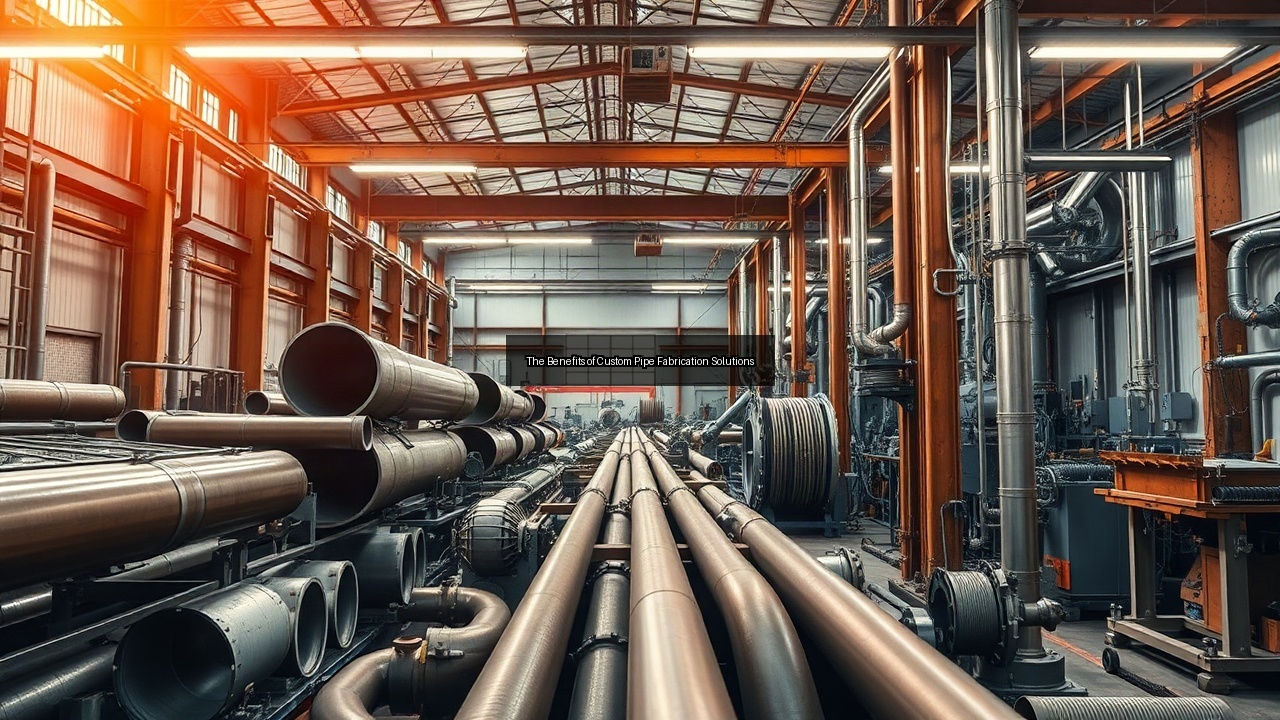
Pipe fabrication refers to the process of creating pipe systems tailored to specific applications and requirements. This involves bending, cutting, welding, and assembling various types of piping components, including tubes and headers. Industries such as oil and gas, water treatment, and manufacturing rely heavily on custom pipe fabrication to ensure that their systems operate efficiently and safely. The precision of this process is crucial, as even minor deviations can lead to significant issues in functionality and safety. Pipe fabrication can encompass everything from simple pipe cutting to complex assemblies that require intricate welding techniques and specialized fittings.
Types of Pipe Fabrication Services
Various pipe fabrication services cater to different needs in the industry. Common services include custom pipe bending, welding pipe fabrication, and assembly of piping systems. Companies often provide metal pipe fabrication services that involve working with materials such as steel pipes, stainless steel, and alloys. Additionally, some fabricators offer pre-fabricated pipe spools, which are components assembled off-site for easier installation on-site. Each type of service addresses specific needs, whether it’s for constructing new systems or modifying existing ones. Understanding the differences among these services helps businesses select the best option for their projects, ensuring efficiency and effectiveness in their operations.
Key Materials Used in Pipe Fabrication
The choice of materials in pipe fabrication significantly impacts the quality and durability of the final product. Steel pipes dominate the market due to their strength and versatility. Different grades of steel, such as carbon steel and stainless steel, offer varying levels of corrosion resistance and strength, making them suitable for different applications. Other materials used include PVC, copper, and aluminum, each chosen for specific properties such as weight, corrosion resistance, and thermal conductivity. The selection of the right material not only affects the performance of the pipe system but also plays a vital role in the overall pricing and cost-effectiveness of the fabrication process. Understanding these materials helps companies make informed decisions that align with their project needs and budget constraints.
Advantages of Custom Pipe Fabrication
Tailored Solutions for Specific Needs
Custom pipe fabrication delivers tailored solutions that meet the unique requirements of various industries. Every project comes with its own set of challenges, whether it involves tight spaces, specific pressure ratings, or unique temperature conditions. Custom fabrication allows for modifications that standard piping solutions cannot accommodate. For example, a manufacturing plant may require specialized headers that fit into an existing system without compromising flow rates. Tailored solutions not only improve system efficiency but also enhance installation processes, reducing the need for extensive alterations on-site. This level of customization is crucial for industries where precision is non-negotiable, ensuring that every component functions as intended in the overall system.
Cost-Effectiveness and Pricing
Custom pipe fabrication can prove cost-effective in the long run, despite potentially higher upfront costs. Tailored solutions may seem pricier initially, but they often save money by reducing installation time and minimizing future maintenance costs. Companies benefit from optimized piping systems designed to operate efficiently, thereby lowering energy costs and enhancing productivity. Moreover, custom fabrication allows businesses to avoid the expenses associated with modifications that standard pipes may require. The ability to specify materials and dimensions also plays a crucial role in controlling pricing. By selecting the right pipe fabrication company that understands these dynamics, businesses can achieve the best balance between cost and quality.
Enhanced Quality Control in Fabrication
Quality control remains a cornerstone of successful custom pipe fabrication. Skilled fabricators implement rigorous quality assurance processes to ensure that every piece meets industry standards and specific project requirements. From material selection to the final welding processes, attention to detail is paramount. Advanced technology, such as computer-aided design (CAD) and automated welding techniques, enhances precision and consistency across all fabricated components. A focus on quality not only leads to better-performing systems but also reduces the risk of failures that could lead to costly downtime. Additionally, reliable pipe fabrication companies often provide warranties and certifications that further assure clients of the durability and reliability of their products.
Choosing the Right Pipe Fabrication Company
Factors to Consider When Selecting a Fabrication Shop
Choosing the right pipe fabrication company involves several key factors that ensure the success of your project. Begin by evaluating the company’s experience and expertise in the specific type of fabrication you need, such as welding pipe fabrication or metal pipe fabrication. Look for certifications and industry affiliations that demonstrate adherence to quality standards. The company’s ability to handle custom requests is also essential; inquire about their past projects and client testimonials to gauge their capability. Additionally, consider their capacity for timely delivery and their willingness to offer flexible solutions tailored to your needs. A company with a solid reputation often indicates reliability and a commitment to quality.
Top Pipe Fabrication Companies and Services
Numerous pipe fabrication companies offer a range of services suited for various industries. Some of the top companies distinguish themselves through specialized capabilities, such as advanced welding techniques or state-of-the-art fabrication technology. Notable names in the industry provide comprehensive services, including design consultation, material sourcing, and installation support. Researching these companies and their service offerings helps businesses find a partner that aligns with their specific needs. Additionally, many companies provide online resources and case studies that showcase their expertise, making it easier to assess their suitability for your project. Engaging with the right fabrication shop can significantly influence the success of your piping system.
Evaluating the Expertise in Welding Pipe Fabrication
Welding pipe fabrication represents a critical aspect of the overall fabrication process. Evaluating a company’s expertise in welding techniques is crucial for ensuring the integrity and reliability of the fabricated pipes. Look for companies that specialize in various welding methods, such as MIG, TIG, and stick welding, as each technique has its advantages depending on the materials used and the project requirements. Skilled welders should possess certifications and experience handling different types of metals, including stainless steel and carbon steel. Inquire about their quality control measures, such as non-destructive testing, to verify the strength and durability of the welds. A company that prioritizes expertise in welding ensures that your piping systems will withstand the test of time and operational stresses.